

 Image 1 of 2
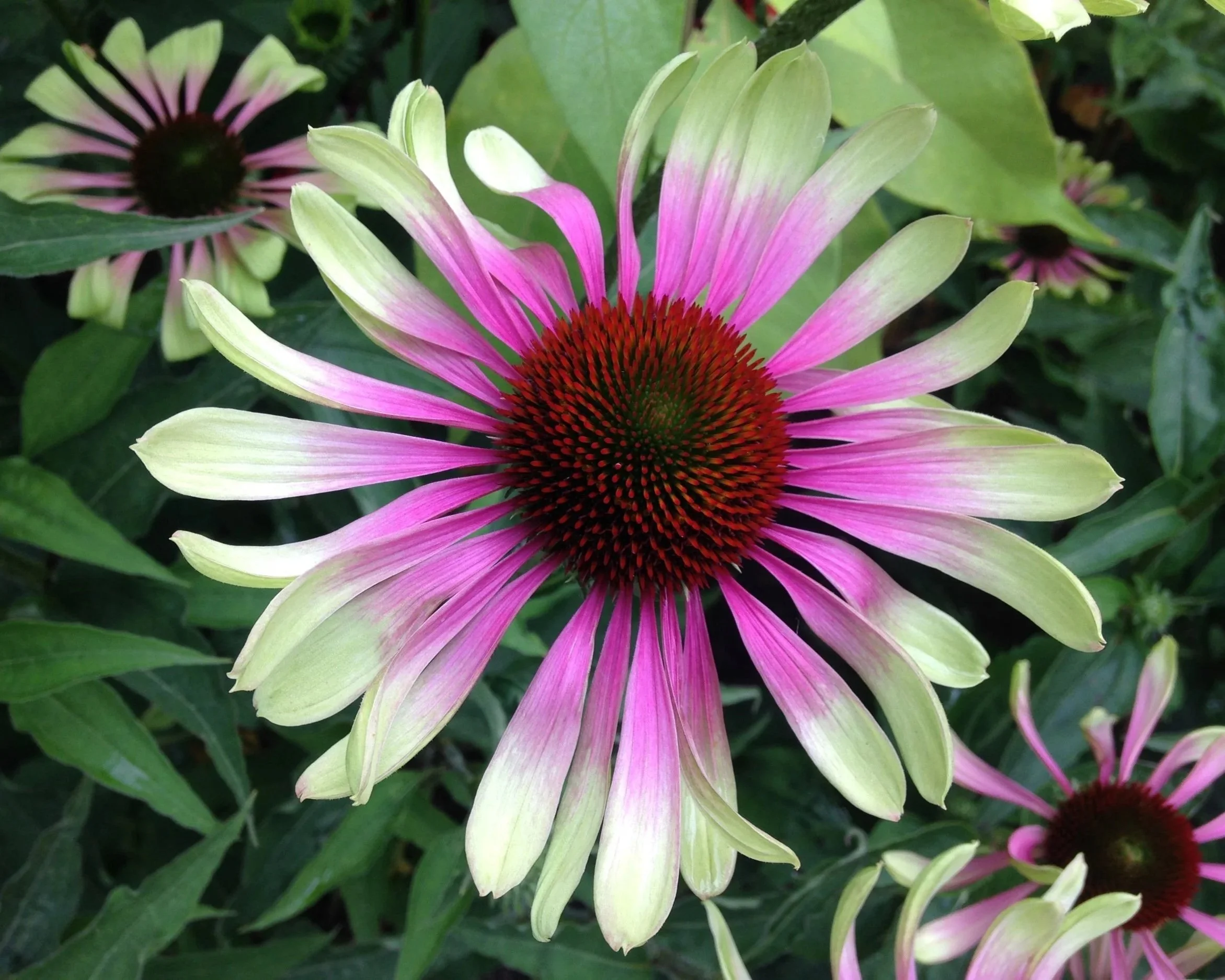 Image 2 of 2
-
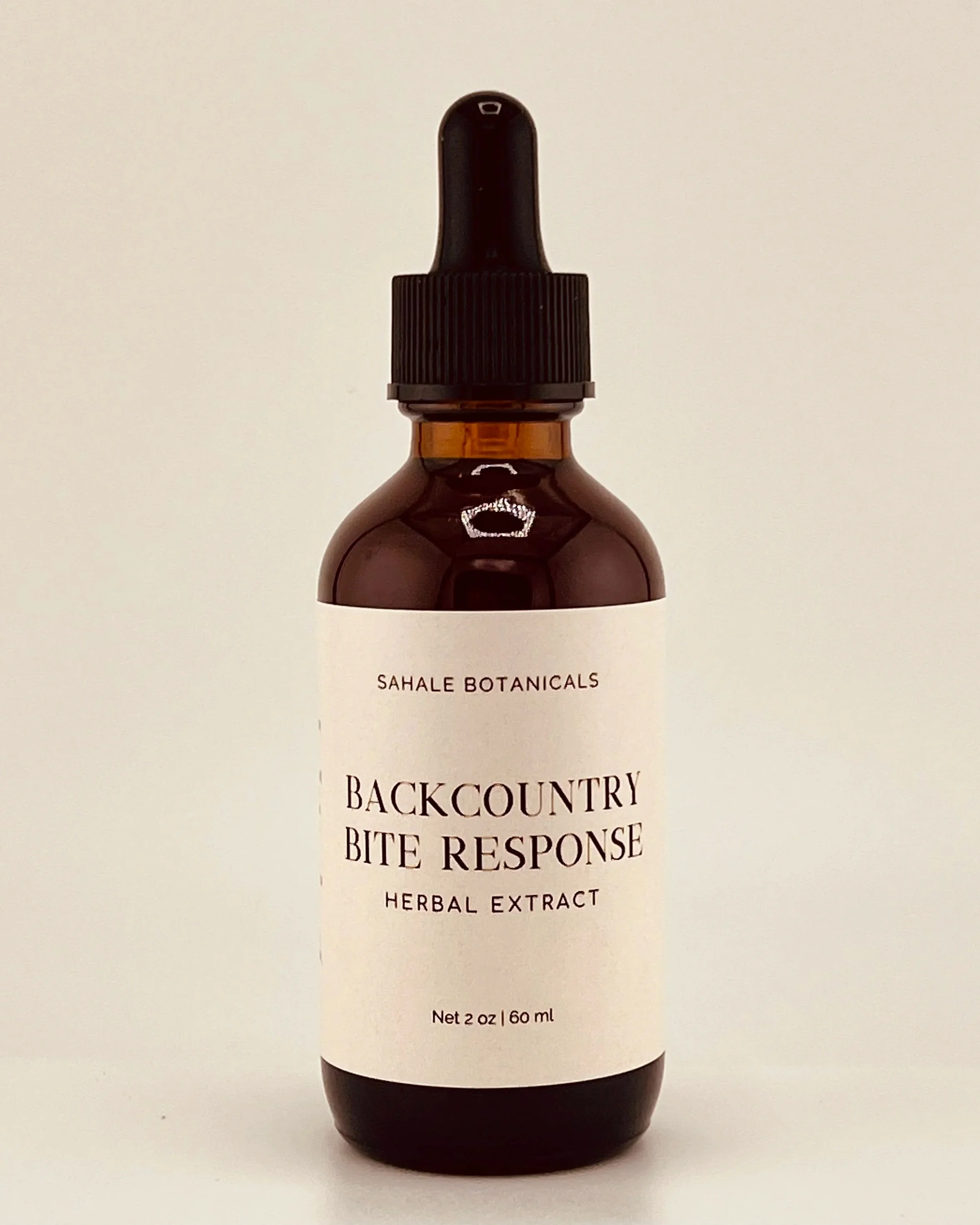
Backcountry Bite Response was created with the wild places in mind. Here in the high desert country of Eastern Washington and Oregon, rattlesnakes are part of the landscape—and when I’m hiking, foraging, or exploring remote backcountry areas, this is one formula I keep in my mobile first-aid kit.
This traditional herbal formula brings together plants long valued by herbalists for their relationship with the lymphatic system, tissues, and the body’s natural inflammatory response. It is not an antidote or a cure for snakebite, but a botanical first-aid companion to have on hand while getting to emergency medical care.
The science behind the formula is fascinating: snake venoms commonly contain hyaluronidase, an enzyme that breaks down hyaluronic acid in the extracellular matrix. This acts as a “spreading factor,” helping venom components move through surrounding tissues.
Echinacea Root: Traditionally valued for supporting the body’s immune and lymphatic response. Research has identified constituents in echinacea with hyaluronidase-inhibiting activity, providing an interesting connection to the study of venom-spreading enzymes—but this should not be interpreted as evidence that echinacea neutralizes snake venom in a bitten person.
Plantain Leaf: A classic “pulling” plant in traditional Western herbalism, plantain has long been used externally for bites, stings, splinters, and irritated tissue. Its traditional reputation makes it a natural choice for a backcountry first-aid formula.
Marshmallow Root: Known historically as the “mortification plant,” marshmallow root has a long tradition of use for damaged, irritated, and inflamed tissues. Its rich mucilage content gives it a soothing quality, while historical herbal traditions valued it in situations involving tissue injury and threatened tissue breakdown.
Dandelion Root: A traditional lymphatic and liver alterative, dandelion root has long been used to support the body's natural processes of elimination and healthy lymphatic function.
Whether you’re a hiker, trail runner, hunter, forager, field crew, or simply someone with an irrational fear of snakes, Backcountry Bite Response is made for the people who spend time where help may be a long way off.
Important: Backcountry Bite Response is not a treatment or cure for snakebite and should never delay emergency medical care. If bitten by a rattlesnake or other venomous snake, seek emergency medical attention immediately. Keep calm and still, and do not cut the wound, suck out venom, apply a tourniquet, or use herbal remedies in place of medical treatment.
For the backcountry. For the unexpected. For those who'd rather be prepared than wish they were.
-
Echinacea flower & root, Dandelion root, Plantain, Marshmallow root, Filtered water, Cane Alcohol.
Made with Care: Handcrafted in small batches using sustainably sourced, natural ingredients.
-
For emergency preparedness and supportive care only. This product is not a substitute for emergency medical treatment.
Shake well. Take 1–2 dropperfuls (30–60 drops) every 15–30 minutes for up to 2 hours, by mouth and/or topically. Then take 1–2 dropperfuls every 2–4 hours as needed while traveling to medical care